3-252KV Current (Voltage) Transformer Bushing
The transformer bushing is a core component of current transformers and voltage transformers, serving as an outer insulation container. Its main function is to provide the internal insulating medium of the transformer (such as transformer oil...
Product Profile
Product Overview
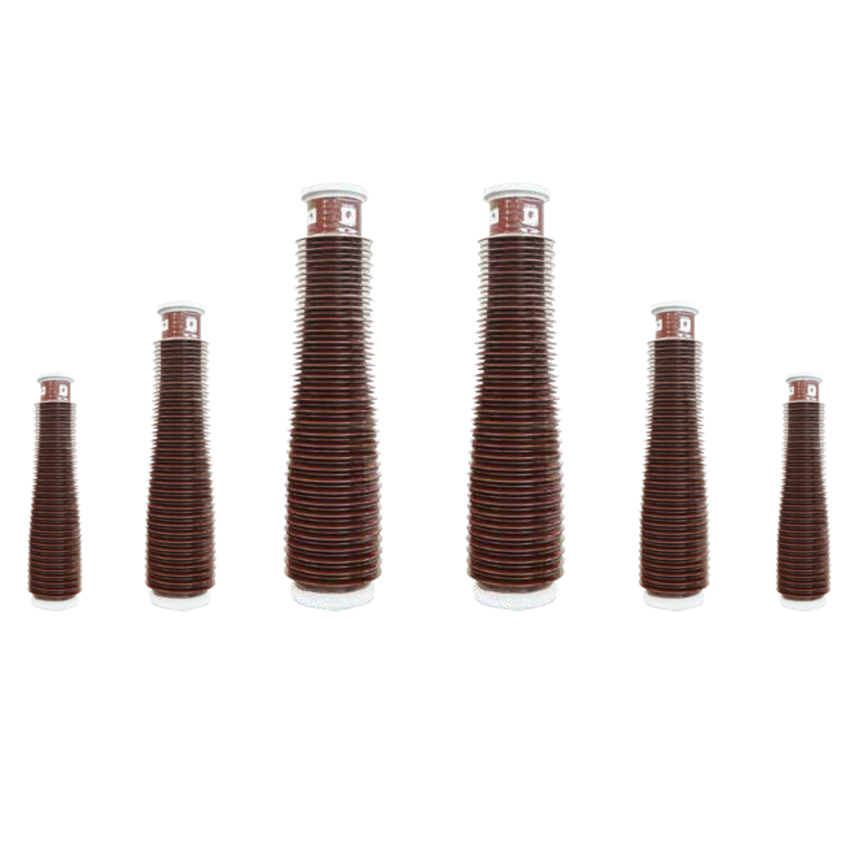
The transformer bushing is a core component of current transformers and voltage transformers, serving as an outer insulation container. Its main function is to provide the internal insulating medium of the transformer (such as transformer oil, SF6 gas, etc.) with a sealed, clean, and insulated external environment, protecting it from moisture, dirt, and other factors in the atmosphere.
Product Use
Transformer bushings are mainly used in voltage transformers and current transformers as outer insulation containers. Based on their connection structure, they are mostly clamp-type, but adhesive-type structures can also be designed according to user requirements.
Structure and Performance Guarantee
The inner and outer surfaces of the porcelain parts are coated with brown glaze, and the umbrella shape of the bushing is an open alternating umbrella design. The porcelain parts are made of high-strength porcelain, which has a high aluminum oxide content, providing excellent mechanical strength and thermal stability. This ensures the product has excellent internal water pressure strength, bending strength, and long-term operational reliability. To guarantee airtightness, the end surfaces of the porcelain parts are precisely ground, with a roughness of Ra1.6 and a parallelism of 0.15. For pressurized bushings, to prevent water and moisture from entering the flange and cement adhesive, the flange port is coated with a layer of waterproof silicone, preventing additional thermal stress on the porcelain in cold regions due to ice formation. Depending on the product requirements, the flanges can be made of hot-dip galvanized ductile cast iron or high-strength aluminum alloy. Before leaving the factory, in addition to checking dimensions, geometric tolerances, and creepage distance, each porcelain part undergoes ultrasonic testing, routine water pressure testing, and four-way bending inspections. Sampling is also conducted per kiln batch for mechanical destruction strength and porcelain quality performance.
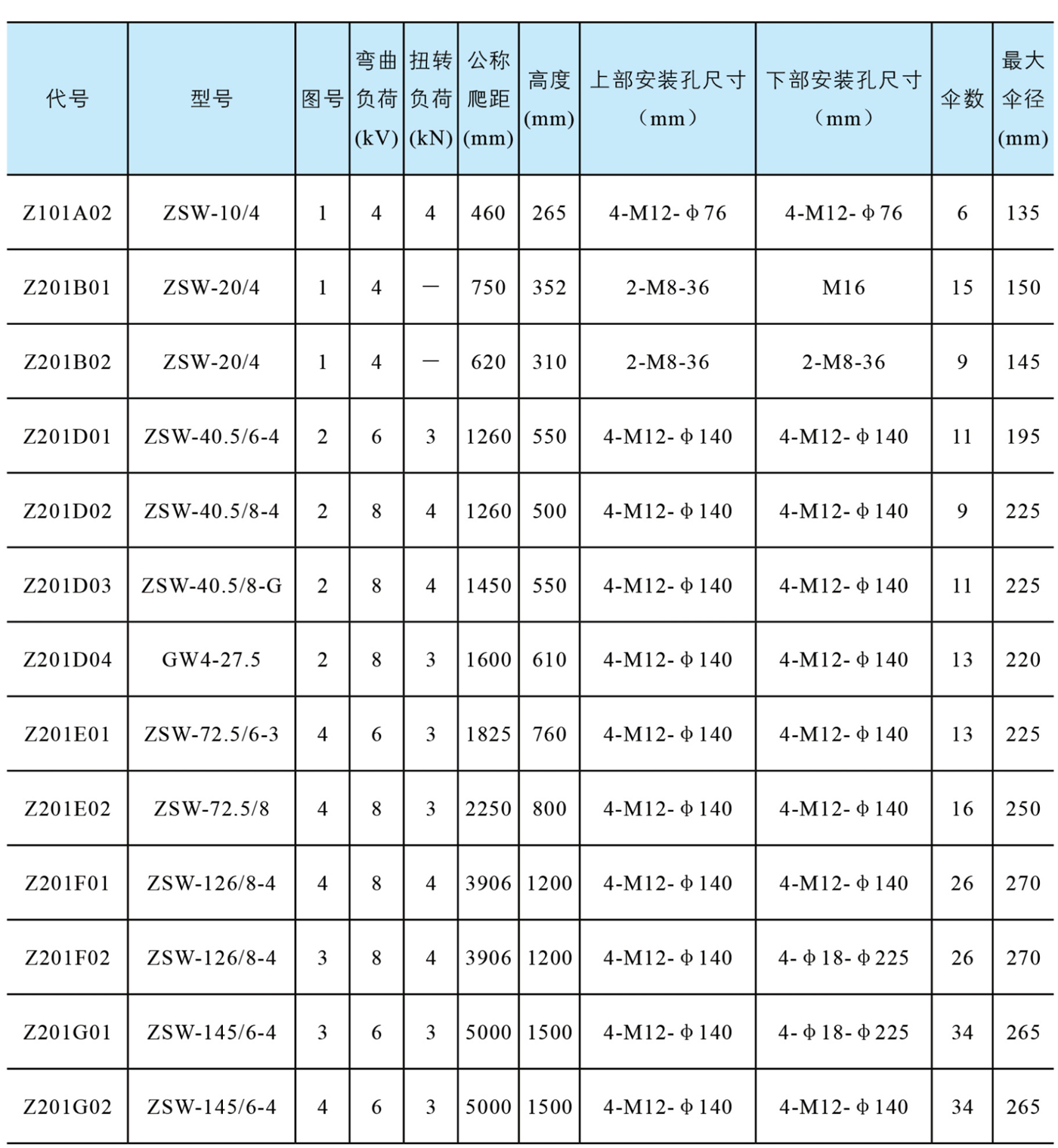
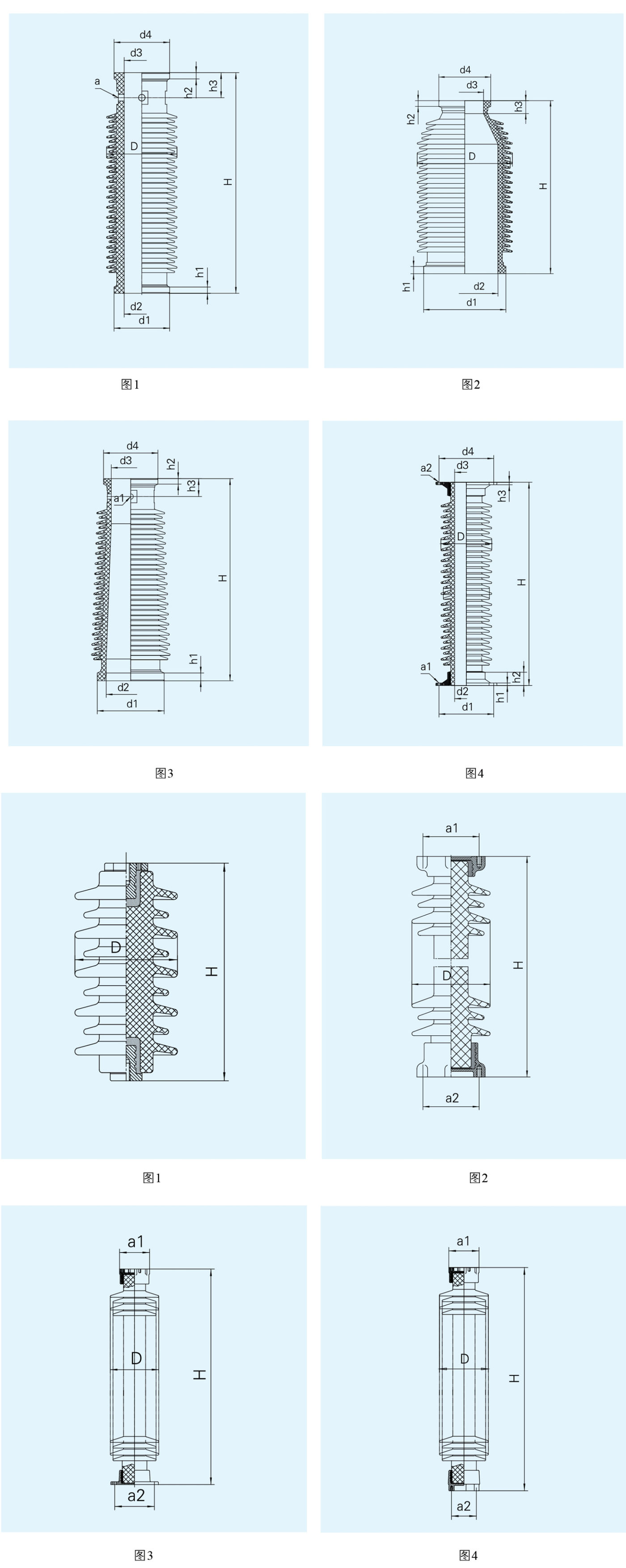
Technical Parameters