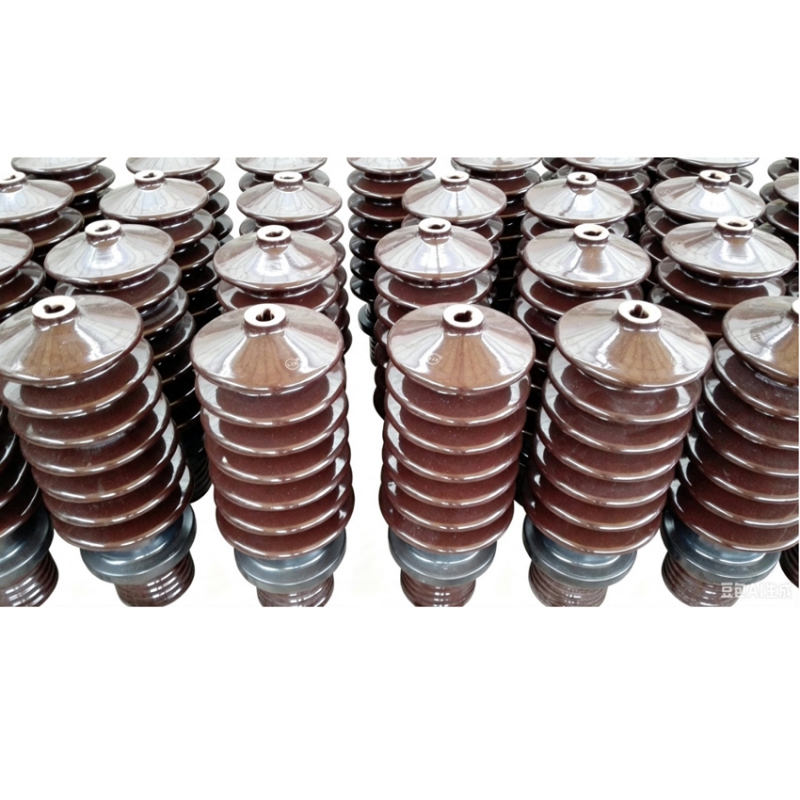
35-110KV Porcelain Bushings
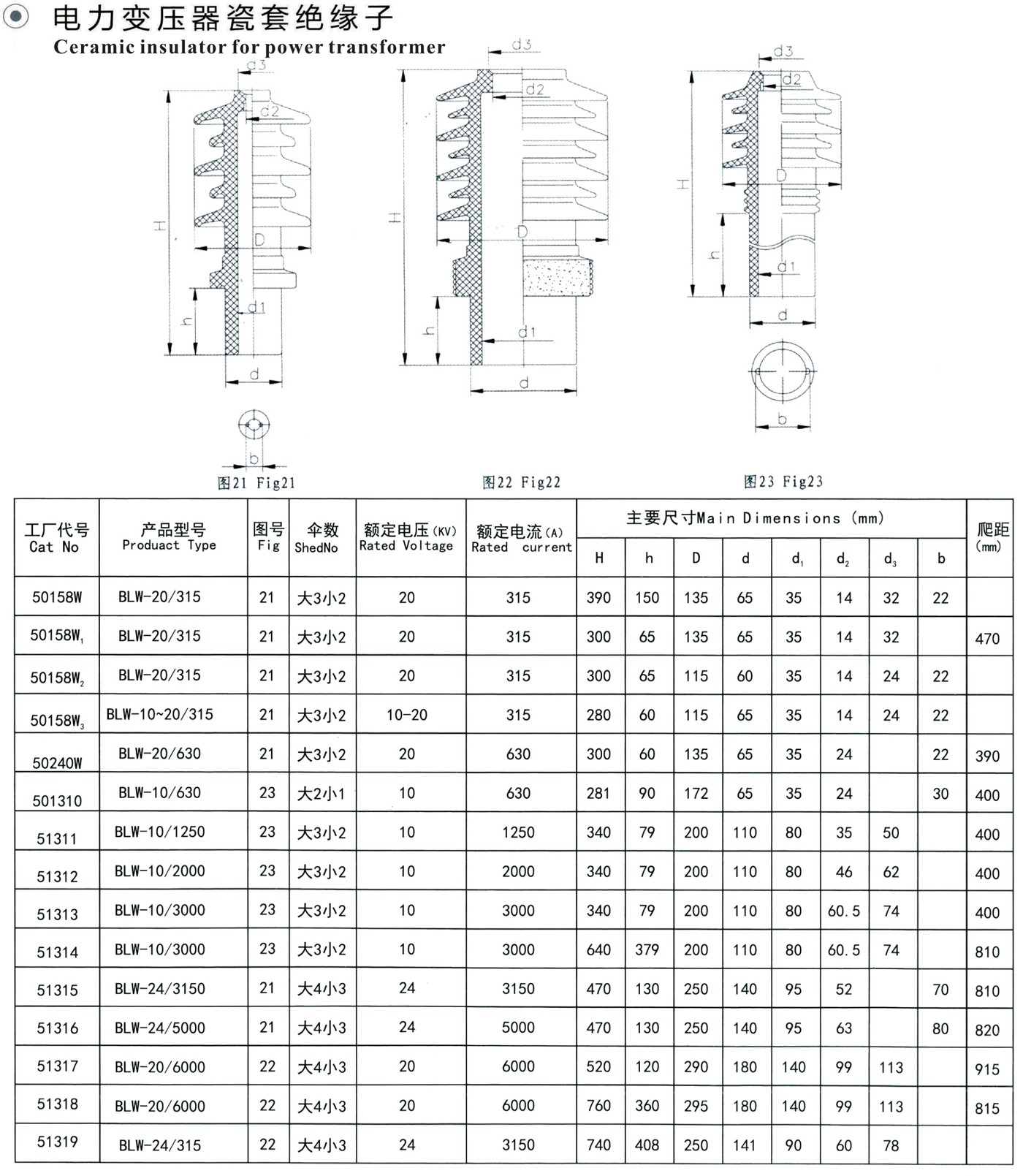
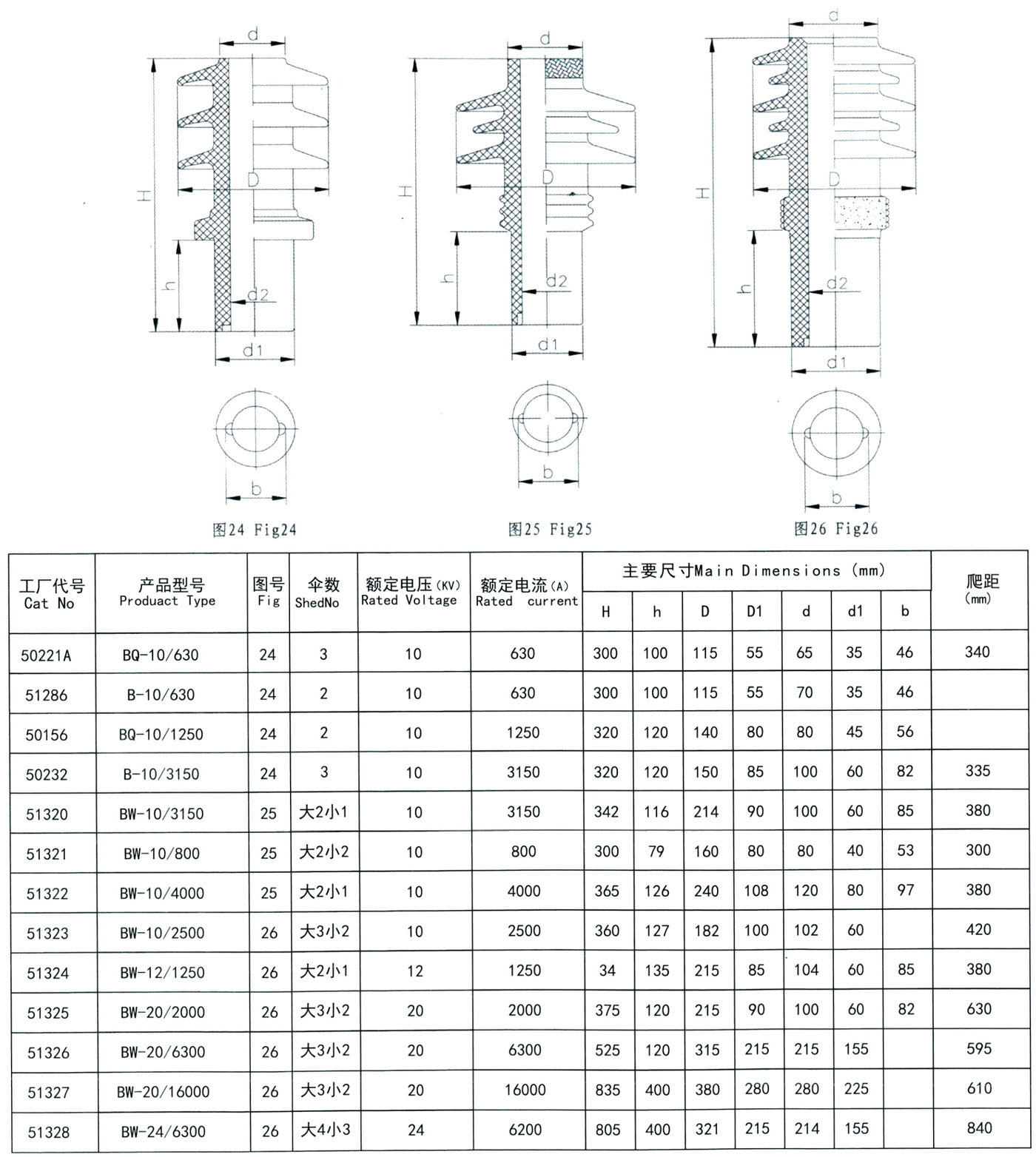
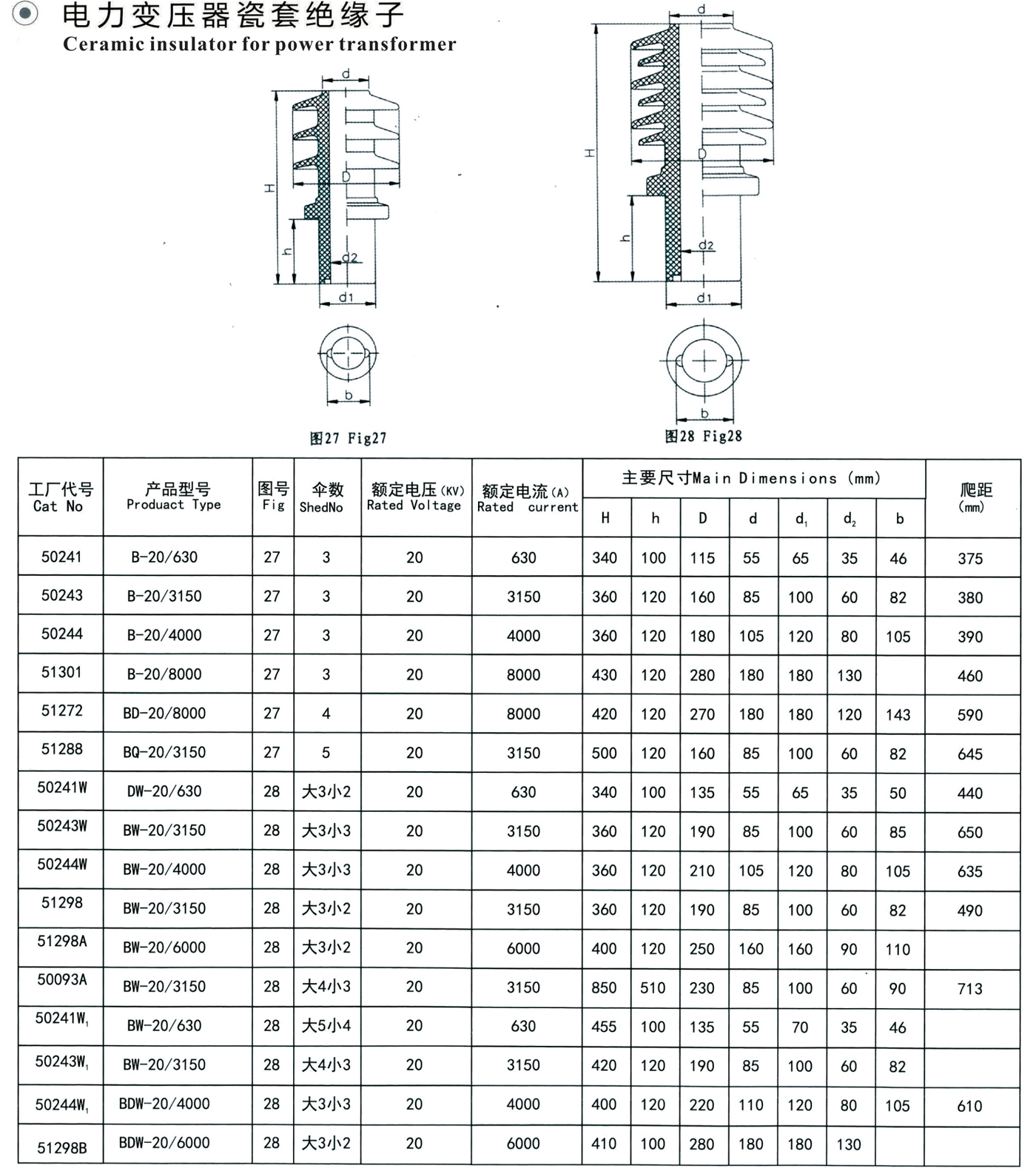
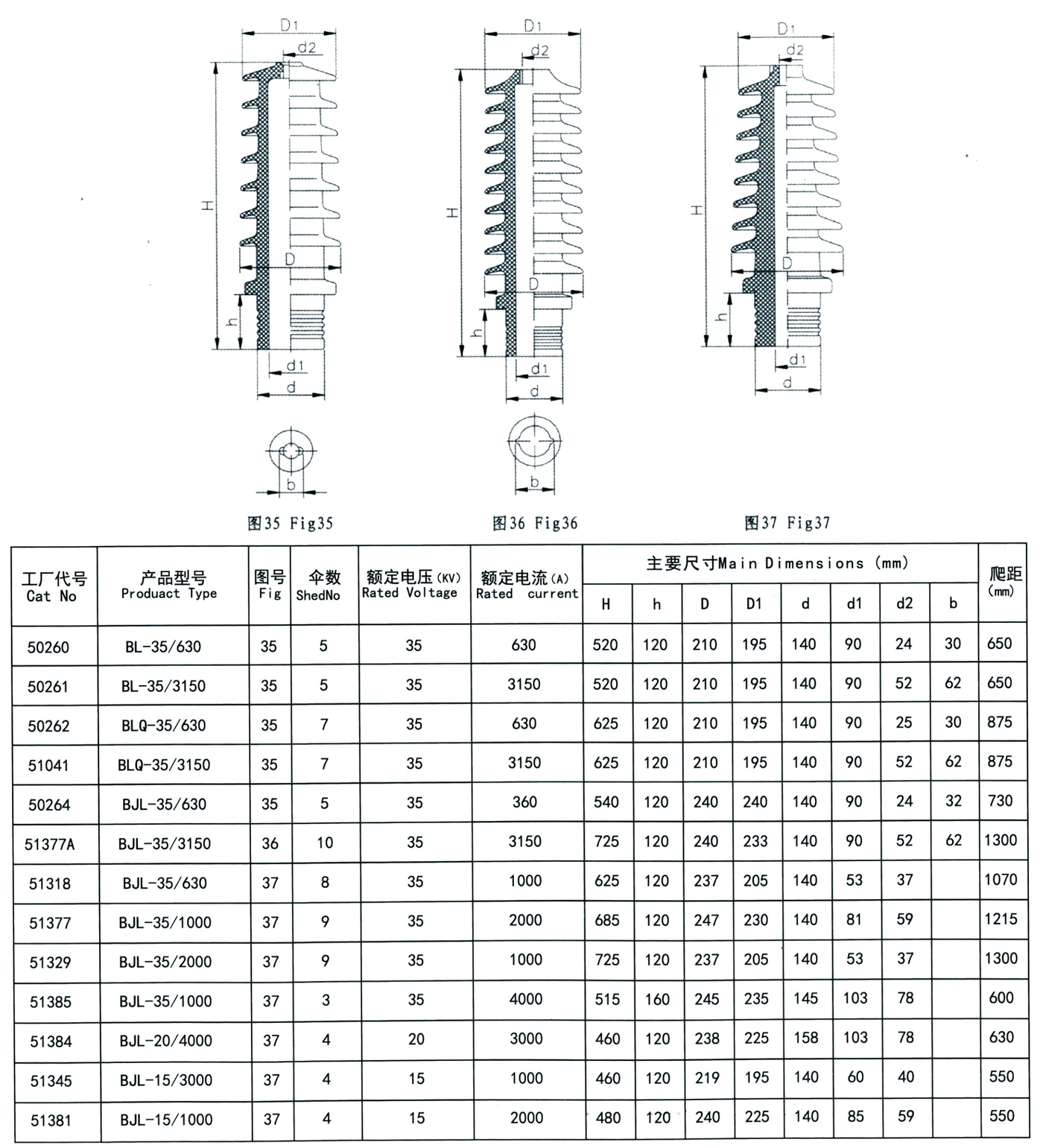
35-110kV porcelain bushings are key components in high-voltage power transmission and transformation equipment. They mainly serve as insulating supports and isolating parts when conductors pass through walls or equipment enclosures...
Product Profile
Product Overview
35-110kV porcelain bushings are key components in high-voltage power transmission and transformation equipment. They mainly serve as insulating supports and isolating parts when conductors pass through walls or equipment enclosures.
Depending on their function and structure, the main types include
High-voltage Wall-penetrating Porcelain Bushings (6kV-35kV)
Used in power station and substation distribution systems for conductors passing through walls. Suitable for indoor, outdoor, and mixed installations, usually installed horizontally.
Capacitive Porcelain Bushings (40.5kV-1100kV)
Used for lead-out lines of transformers, reactors, and other equipment. They use a capacitive core to evenly distribute the electric field, providing excellent insulation performance.
Equipment-specific Porcelain Bushings (35kV-220kV)
Specifically for SF6 circuit breakers, transformers, surge arresters, etc., serving as outdoor insulation housings for equipment and able to withstand internal pressure.
Structure and Materials
35-110kV porcelain bushings usually consist of the following parts:
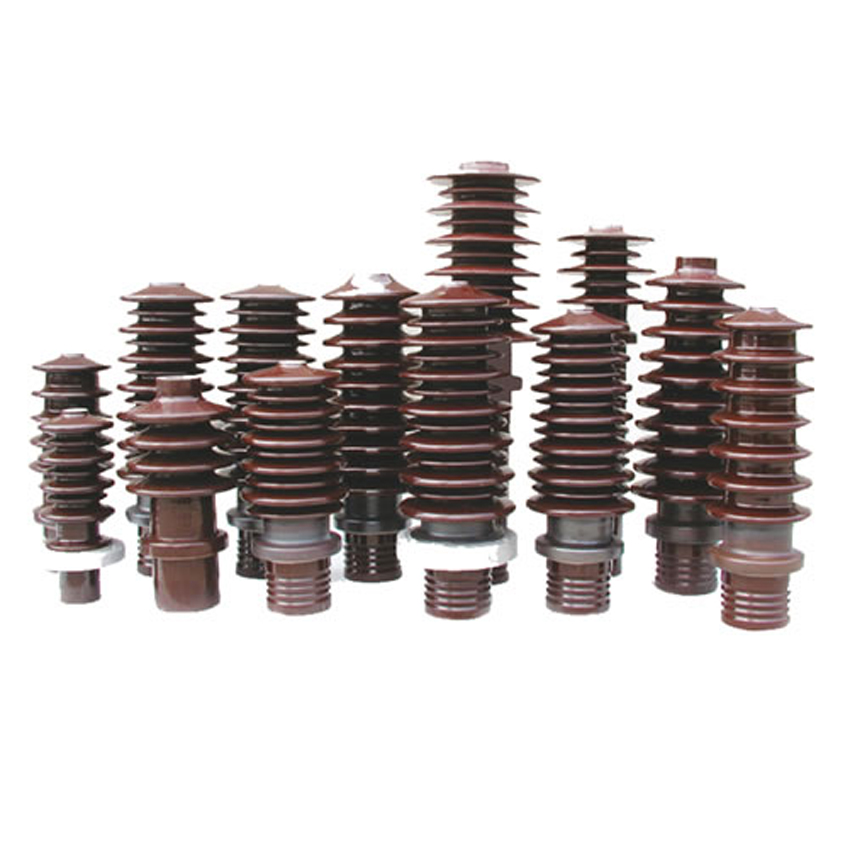
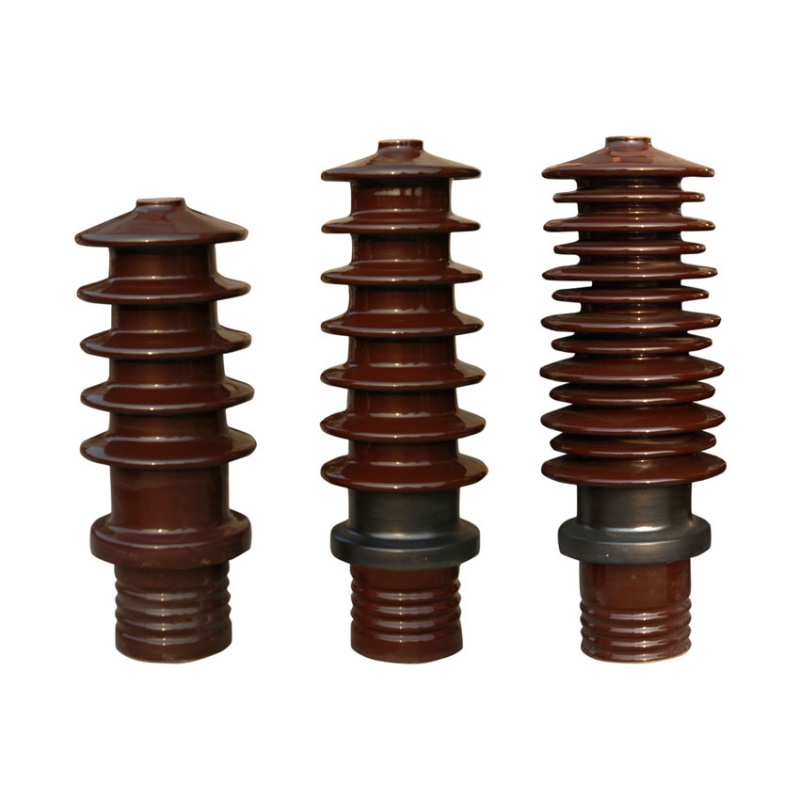
Ceramic Body: Made of high-strength ceramic material with a high aluminum oxide content (usually ≥95%) to ensure excellent electrical insulation and mechanical strength.
Sheds: Skirt-like protrusions on the surface of the ceramic body to increase creepage distance. Outdoor types generally use large and small shed structures spaced apart to prevent flashovers during rain.
Flange: Metal connectors at both ends of the bushing to secure it to walls or equipment.
Conductor: The conductive rod inside the porcelain bushing that carries current.
Seals: Installed between the flange, ceramic body, and conductor to prevent moisture and humidity from entering.
Main Standards
Manufacturing and testing of 35-110kV porcelain bushings must comply with strict national and industry standards:
GB/T 12944-2011: "High-voltage Wall-penetrating Porcelain Bushings"
GB/T 13026-2017: "Types and Dimensions of AC Capacitive Bushings"
JB/T 1542-1999: "Porcelain Bushings for 110 and 200kV Outdoor Minimum Oil Circuit Breakers"
DL/T 383-2010: "Artificial Rain Test Method for Pollution-polluted High-voltage Porcelain Bushings"
Selection and Installation Tips
In actual use, key points for selection and installation include:
Determine Voltage Level: Confirm system rated voltage and check the bushing's power-frequency and lightning impulse withstand levels.
Assess Pollution Levels: Depending on the pollution at the installation site (industrial area, seaside, etc.), choose bushings with sufficient creepage distance, usually with large shed structures.
Match Rated Current: The bushing's rated current should be at least 1.3 times the maximum load current of the circuit.
Consider Environmental Factors: Adjust insulation levels for high altitudes; pay attention to low-temperature resistance of ceramics and seals in cold areas.
Check Mechanical Strength: Ensure the bushing can withstand mechanical loads like wind and earthquakes during installation and use.
Proper Installation: Inspect the ceramic body appearance before installation, ensure secure flange connections and tight seals, and follow regulations strictly.
If you want to know more about specific types (like wall-penetrating bushings, transformer bushings) or specific models, feel free to ask.
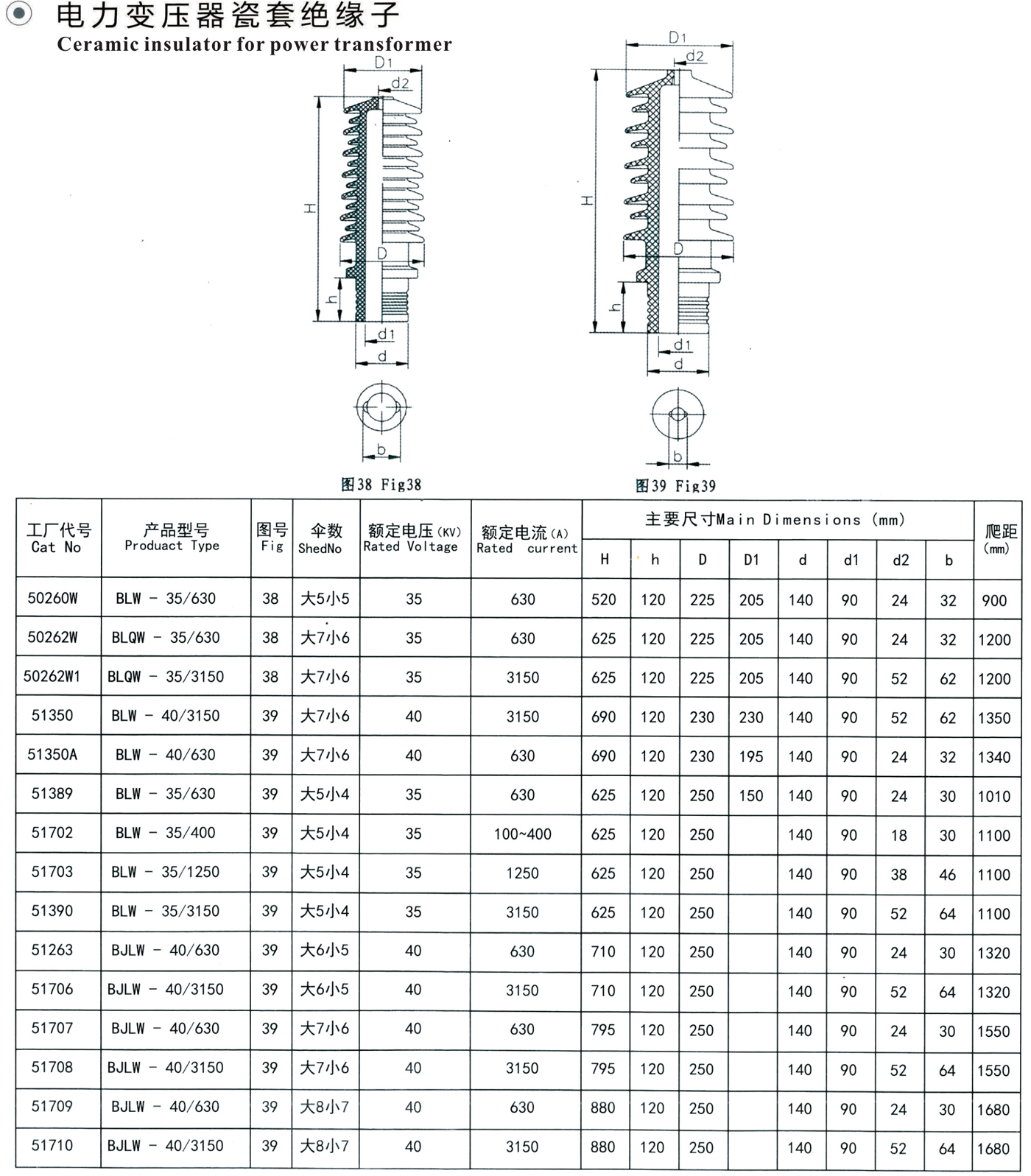
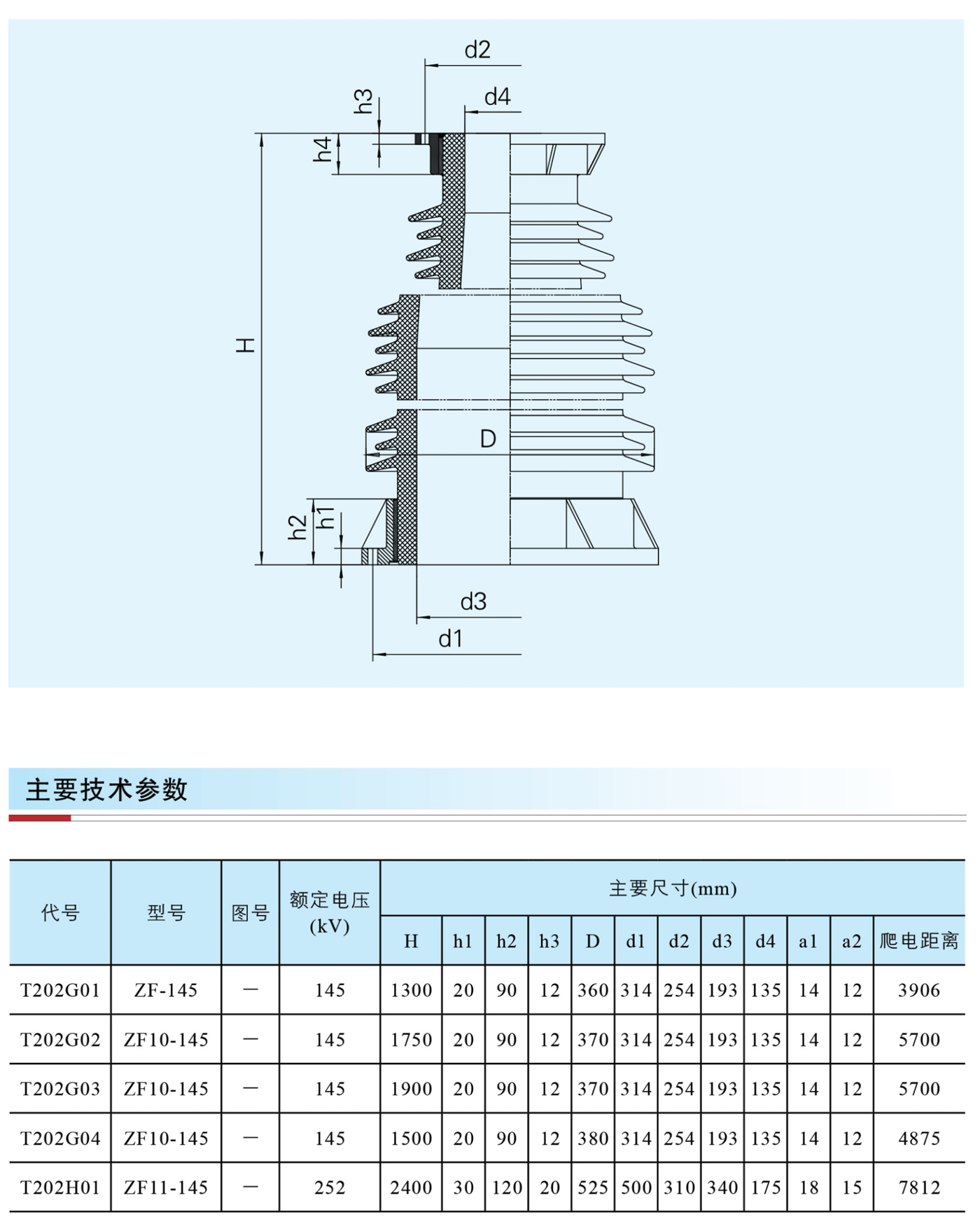
Technical Parameters